
Orientdig Finds
Spreadsheet
OVER 5000+
WITH QC PHOTOS
📊 Rebuilding Reliable Commerce Structure with Orientdig spreadsheet
Global e-commerce systems are filled with inconsistent product data, where the same item may appear multiple times with different names, categories, or attributes. This creates confusion in understanding what actually exists in the market.
The Orientdig spreadsheet is designed to solve this by restructuring fragmented product information into unified and normalized datasets. It focuses on cleaning duplication noise, standardizing product attributes, and rebuilding consistent records that reflect real market structure.
🧩 Fragmentation Problems in Global Markets
Modern marketplaces suffer from structural inconsistency:
Duplicate listings inflate perceived product volume
Regional naming differences distort identity
Category misalignment creates analytical errors
Attribute variations reduce comparability
Cross-platform duplication hides true product structure
The Orientdig spreadsheet addresses these issues by rebuilding structured product identities from fragmented sources.
📊 Data Normalization Core Engine
A key function of the Orientdig spreadsheet is normalization of global product data.
It performs:
Unified naming conversion across platforms
Attribute standardization (size, model, version)
Duplicate clustering into structured records
Category correction based on structural rules
Clean dataset reconstruction for analysis
This transforms raw inconsistent listings into structured commerce intelligence.
🔗 Cross-Platform Relationship Mapping
A secondary layer in this system is handled by Orientdig links, which focuses on relational mapping between fragmented product entries.
It identifies:
Duplicate products appearing across multiple marketplaces
Variations of the same item under different naming structures
Regional differences in product representation
Hidden connections between similar listings
Cross-platform replication patterns
This creates a network view of how product data is distributed globally.
📉 Why Data Integrity Matters
Without structured systems like the Orientdig spreadsheet, global commerce data becomes unreliable:
Market size becomes artificially inflated
Product comparisons lose accuracy
Research outputs become inconsistent
Sourcing decisions become inefficient
Duplicate entries distort real demand signals
Meanwhile, Orientdig links helps reduce relational confusion caused by fragmented cross-platform duplication.
🧠 Structural Intelligence Advantages
The Orientdig spreadsheet plays a dominant role in building clean datasets that reflect real product identity, while Orientdig links enhances understanding of how those identities are distributed across systems.
Together they enable:
Accurate product identity recognition
Cleaner cross-platform comparison
Reduced duplication noise in datasets
Better understanding of marketplace structure
More reliable analytical foundations
🌐 Making Hidden Market Structures Visible
Many global products exist in duplicated or fragmented forms across platforms. Without structural validation, these patterns remain invisible.
The Orientdig spreadsheet consolidates duplicated entries into unified records, while Orientdig links reveals how these duplicates spread and evolve across marketplaces.
This exposes:
Hidden replication chains
Multi-platform listing patterns
Regional fragmentation behavior
Structural inconsistencies in product identity
🧩 System Architecture Overview
📊 Structural Layer (Orientdig spreadsheet)
Data normalization
Duplicate removal and clustering
Attribute standardization
Unified record creation
Structured dataset building
🔗 Relational Layer (Orientdig links)
Cross-platform mapping
Duplicate relationship detection
Structural similarity linking
Fragmented identity reconstruction
Marketplace connection analysis
🚀 System Evolution Direction
The Orientdig spreadsheet continues to expand its normalization and validation logic to handle larger datasets, while Orientdig links improves its ability to detect deeper cross-platform relationships.
Future development focuses on:
Higher precision duplication detection
Stronger identity matching across markets
Improved attribute reconciliation
Expanded relational mapping depth
Enhanced structural consistency scoring
🎯 Final Insight
The Orientdig spreadsheet is the primary engine for structured data normalization in global commerce, while Orientdig links provides relational connectivity across fragmented markets.
Together, they reconstruct unreliable product data into a structured and connected system that reflects real marketplace conditions more accurately.
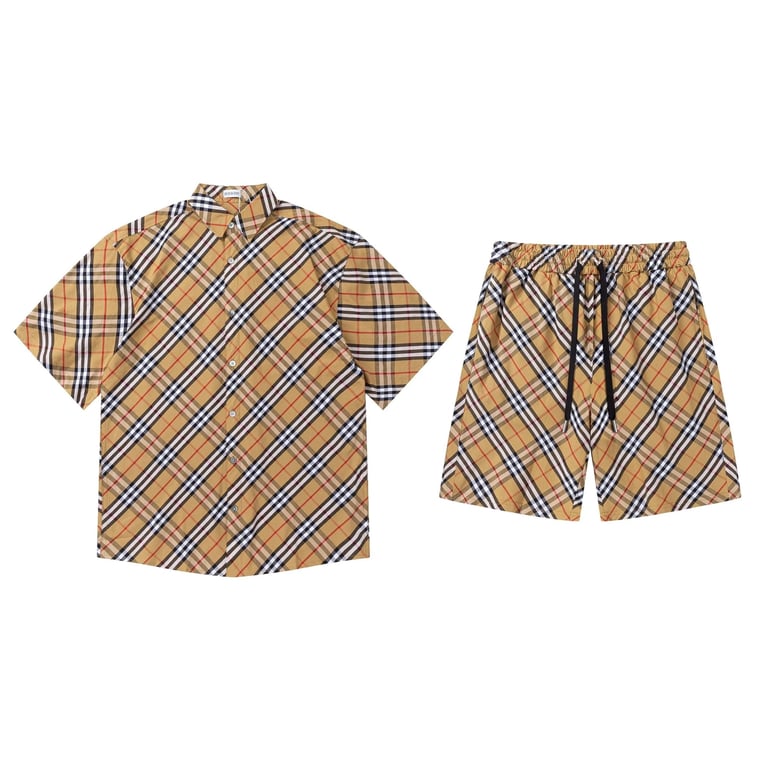
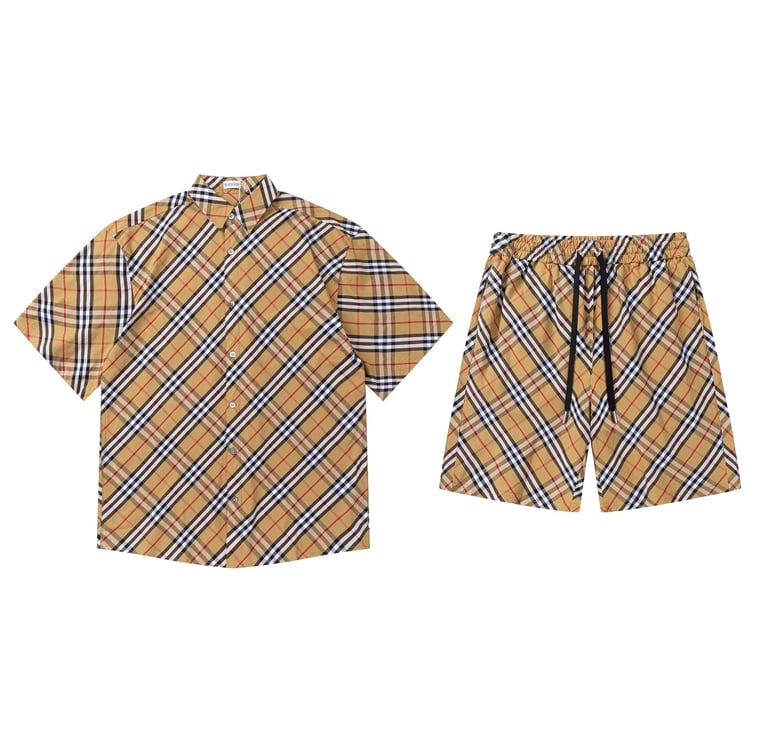
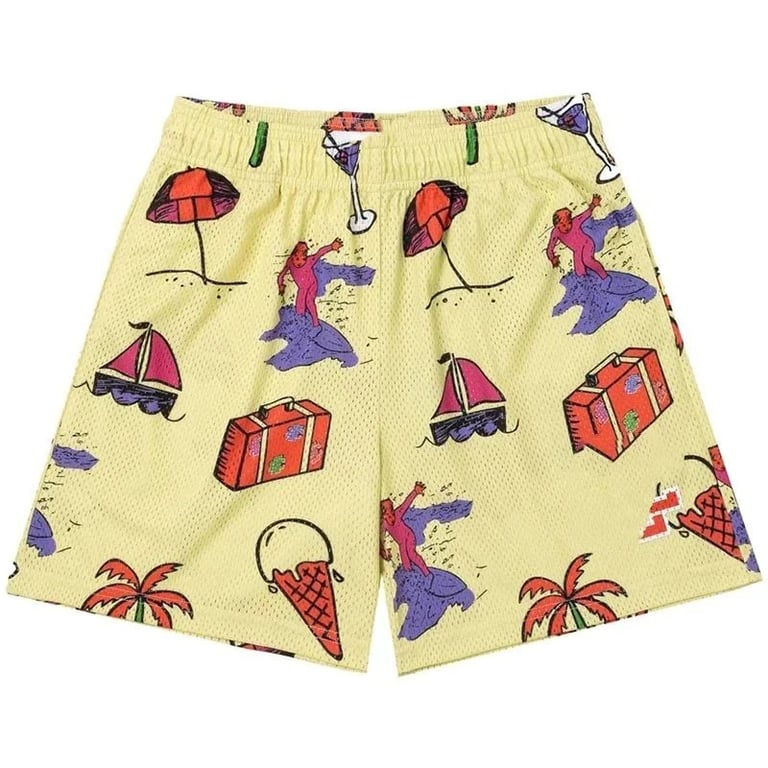
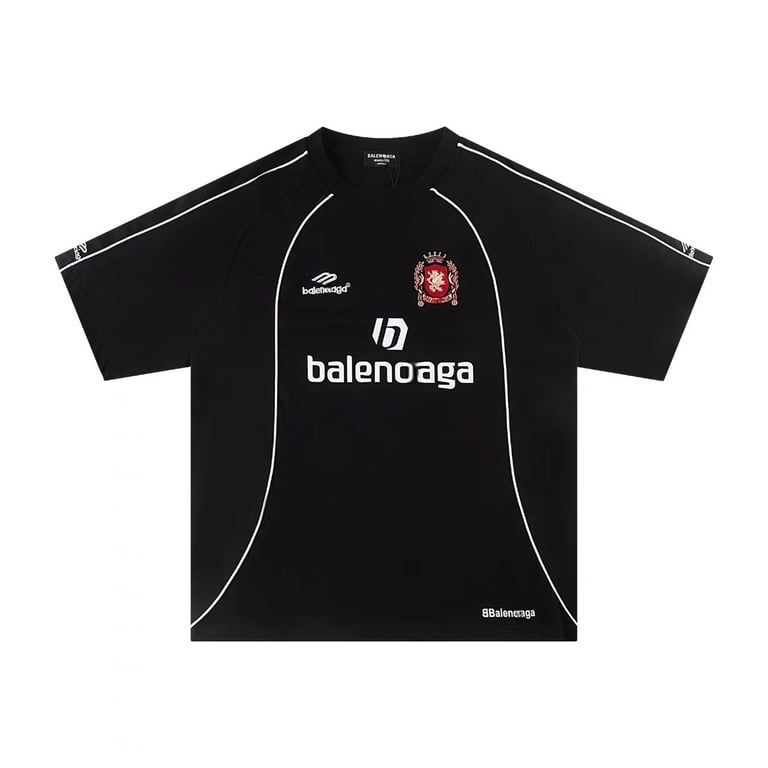
Click the images below to browse!















Frequently Asked Questions (FAQ)
Q1: Why is global product data considered inconsistent by default?
Global product data is inconsistent because it is created and maintained by different platforms without a unified standard. The same product can appear multiple times with different names, attributes, or categories. The Orientdig spreadsheet is designed to address this fragmentation by restructuring scattered information into unified formats.
Q2: What does “data fragmentation” mean in this system?
Data fragmentation refers to the condition where a single product exists in multiple disconnected forms across platforms. These forms may vary in naming, specifications, or classification. The Orientdig spreadsheet reorganizes these fragmented entries into structured records that reflect a more consistent product identity.
Q3: How does the system define a single product identity?
A product is not identified by one field alone. Instead, identity is derived from a combination of structured signals such as attribute similarity, listing patterns, and duplication behavior. The Orientdig links consolidates these signals into a unified representation of each product.
Q4: What happens when multiple listings describe the same item differently?
When differences exist between listings, they are not treated as separate products. The Orientdig spreadsheet groups them into a single structured record if their underlying attributes indicate equivalence, even when names or formats differ.
Q5: How does the system handle duplicate entries?
Duplicate entries are treated as meaningful structural signals rather than noise. The Orientdig spreadsheet clusters repeated listings together, allowing the system to preserve information about distribution while still maintaining a unified product structure.
Q6: What role does categorization play in this system?
Categories are not considered fully reliable because they often depend on platform-specific logic. The Orientdig links reorganizes products based on structural attributes rather than relying on external category labels, ensuring more consistent classification.
Q7: What is done when product data is incomplete?
Incomplete product information is not discarded. The Orientdig spreadsheet reconstructs missing elements by analyzing surrounding structured patterns and aligning similar entries to fill gaps in the dataset.
Q8: Why is structural consistency important?
Structural consistency ensures that product data can be compared reliably across different sources. Without it, analysis becomes distorted due to duplication and conflicting formats. The Orientdig spreadsheet focuses on creating this consistency at scale.
Q9: Can this system improve cross-platform product understanding?
Yes. By converting fragmented entries into unified records, the Orientdig links makes it possible to compare products across platforms in a more reliable and standardized way.
Q10: What is the core idea behind the system?
The core idea is that global product data should not be viewed as isolated listings but as structured information that can be normalized and unified. The Orientdig spreadsheet transforms fragmented marketplace data into consistent and analyzable product structures.