
About Orientdig Spreadsheet
Click the images below to browse!






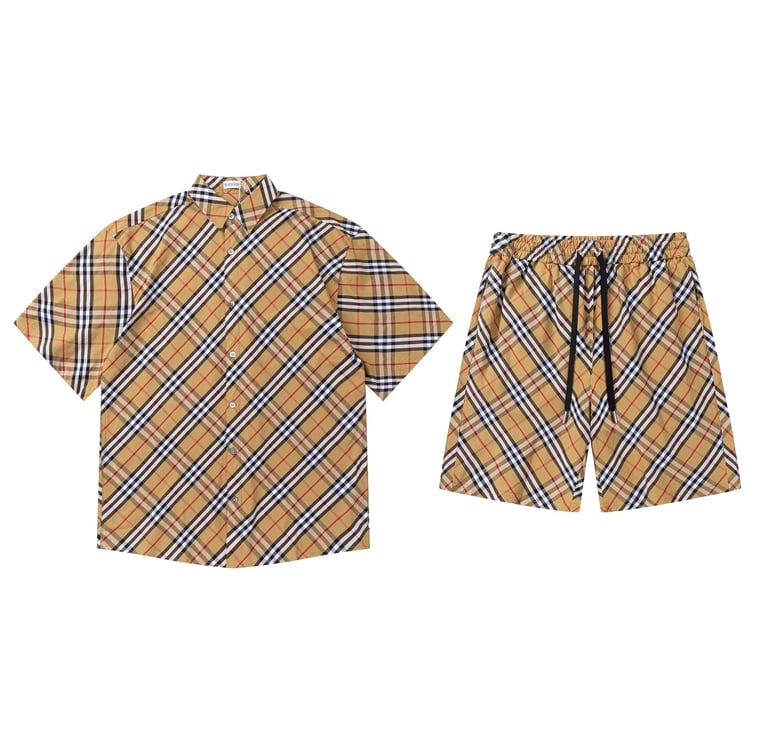
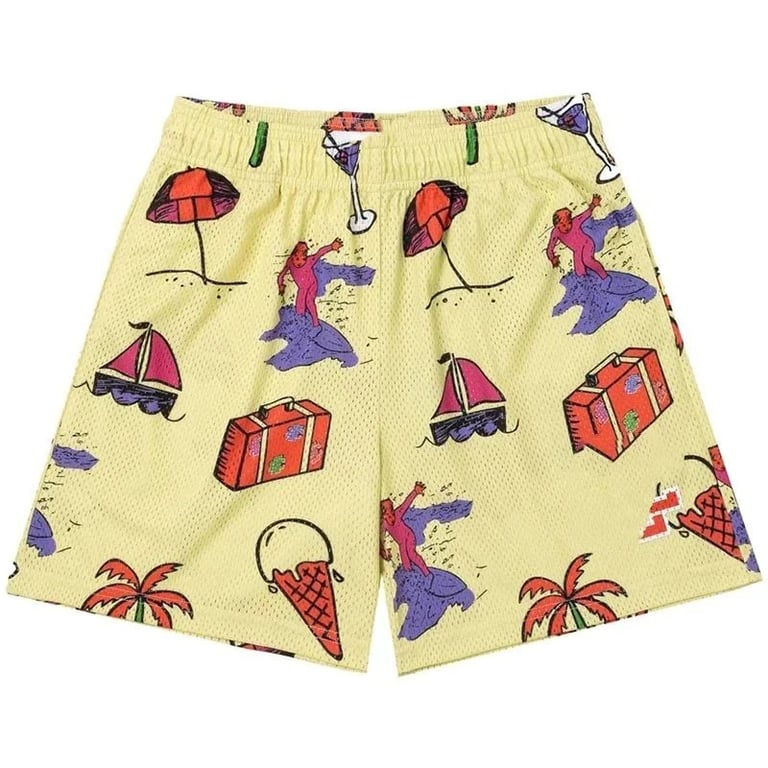
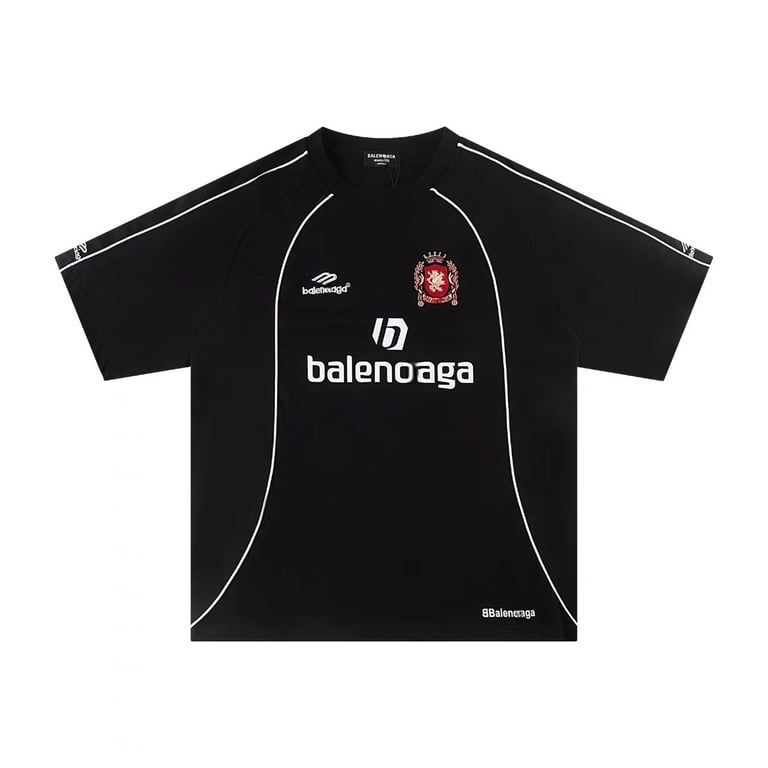



Global Commerce Data Structure & Product Information Framework
Fragmented Marketplace Data Reconstruction System
🌍 About This System
Global e-commerce environments generate massive volumes of product listings every day, but this information is rarely consistent. The same product can appear across multiple platforms with different naming conventions, inconsistent attributes, and repeated entries that make unified interpretation difficult.
The Orientdig spreadsheet is used to organize these fragmented product listings into structured data representations that allow inconsistent information to be processed in a more stable and comparable format.
🧭 Fragmentation in Global Product Data
Product data fragmentation is a natural result of how modern marketplaces operate. Listings are created independently across platforms, often without shared standards.
Common fragmentation patterns include:
Repeated listings of the same product with different titles
Inconsistent attribute formatting across sellers
Regional variations in product descriptions
Category mismatches caused by platform rules
Duplicate entries without unified identifiers
To address these issues, the Orientdig spreadsheet is used to reorganize scattered product information into structured datasets.
🧩 Structural Data Reconstruction Process
Instead of treating each listing as an independent entry, product data is processed through a structured reconstruction approach.
This process includes:
Standardizing product naming formats
Aligning inconsistent attributes into unified structures
Grouping duplicate listings into consolidated records
Reducing noise caused by repetitive entries
Rebuilding stable product identity signals
Through this workflow, the Orientdig links helps transform fragmented marketplace data into structured and analyzable formats.
🧠 Importance of Structured Product Information
Without structured organization, global commerce data becomes difficult to interpret:
The same product may appear multiple times as separate entries
Market analysis becomes distorted by duplication
Cross-platform comparison loses accuracy
Data-driven decisions become inconsistent
The Orientdig spreadsheet addresses these challenges by consolidating fragmented entries into unified representations.
🌐 Commerce as a Large-Scale Data System
Modern e-commerce is not just a collection of products—it is a continuously evolving data system.
Within this system:
Listings are constantly rewritten and redistributed
Product identities are reshaped across platforms
Data structures vary depending on marketplace logic
Duplicate and inconsistent entries coexist at scale
The Orientdig links is used to interpret this environment by reconstructing structured product datasets from fragmented inputs.
🧩 System Overview
📊 Data Structuring Layer
Product normalization
Attribute alignment
Duplicate consolidation
Structured record creation
Dataset consistency improvement
🚀 Development Direction
The system continues to evolve in response to increasing complexity in global product data environments.
Future improvements focus on:
More accurate reconstruction of fragmented product identities
Better handling of inconsistent attribute structures
Improved normalization of large-scale listing data
Enhanced stability of structured datasets
Deeper interpretation of global commerce patterns
The Orientdig spreadsheet continues to refine how structured product data is formed across large-scale environments.
🎯 Final Insight
Global product information is inherently fragmented and inconsistent. The Orientdig spreadsheet and Orientdig links are used in different parts of structured workflows to transform this fragmented data into organized and interpretable datasets, enabling a clearer understanding of how global e-commerce information is formed and distributed.